$ cat agent.loop
AI Agents Change Software Delivery. Engineers Still Own the Outcome.
Agents can plan, edit, test, and iterate across a codebase. The teams getting value from them define better tasks, tighter guardrails, and clearer review paths.
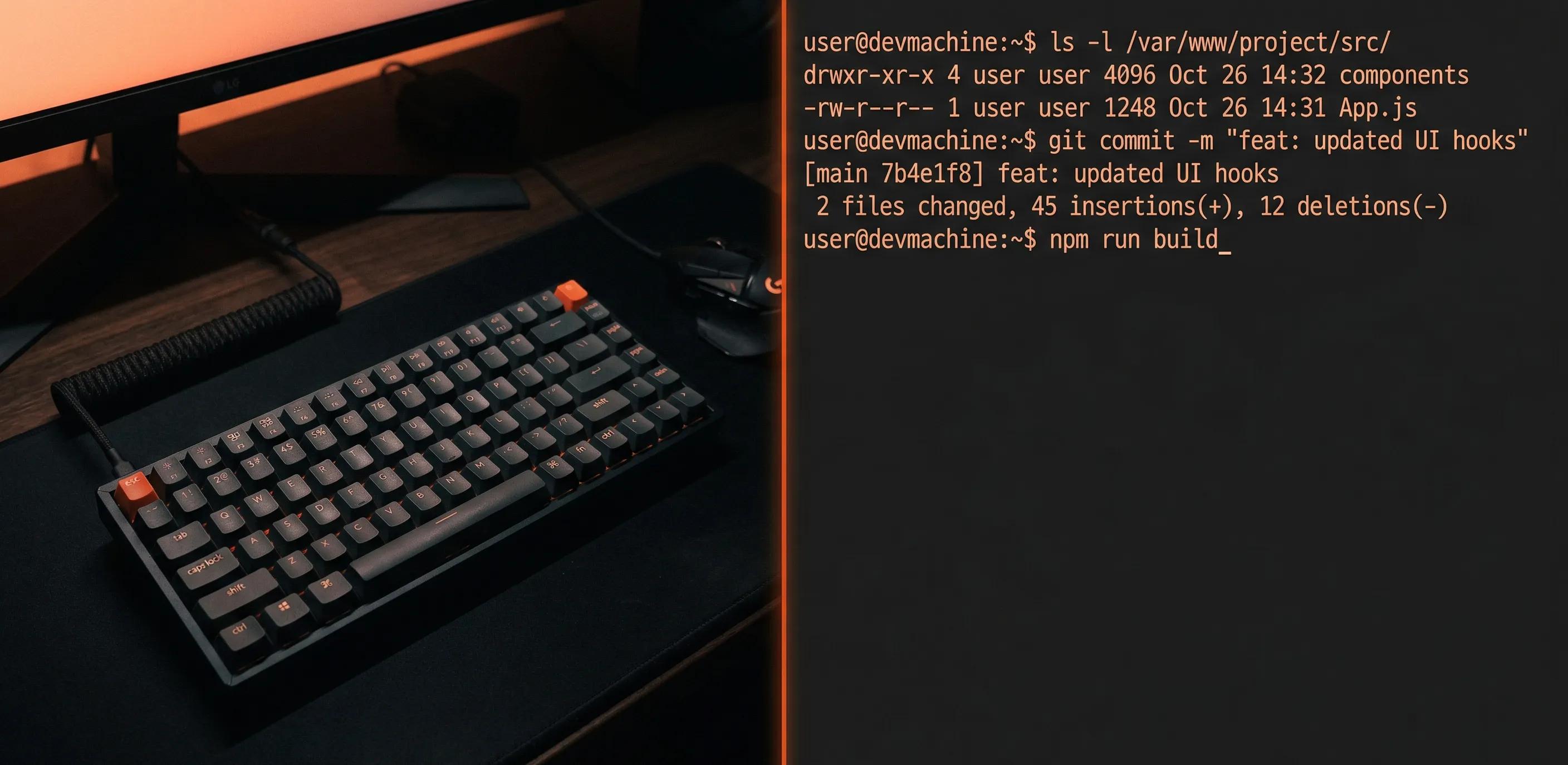
From Answers to Execution
A chat assistant answers a question and waits. An agent can take a bounded goal, inspect relevant files, run commands, react to results, and present a patch. That changes the shape of everyday engineering work.
The important word is bounded. An agent is most reliable when the task has a clear outcome, known constraints, and a reviewable result.
Good Starting Work for Agents
Start with repetitive or well-scoped work. It gives the team a low-risk way to learn the tool and creates fast feedback about where the agent is useful.
- Creating test scaffolds and migration drafts.
- Explaining unfamiliar modules and tracing call paths.
- Preparing small refactors with a focused test plan.
- Summarizing logs before an engineer begins debugging.
The Skill Is Task Design
Vague requests produce vague work. A strong task gives the agent a goal, relevant boundaries, acceptance checks, and information about what must not change.
The best workflow is collaborative: the agent handles mechanical steps, while the engineer sets direction and judges the result against the product and the system.
Keep the Human in the Critical Path
Architecture, product tradeoffs, security decisions, and releases that can affect customers still require accountable human judgment. Use agents to create more room for that work, not to pretend it disappeared.